
Preparing for Surgery
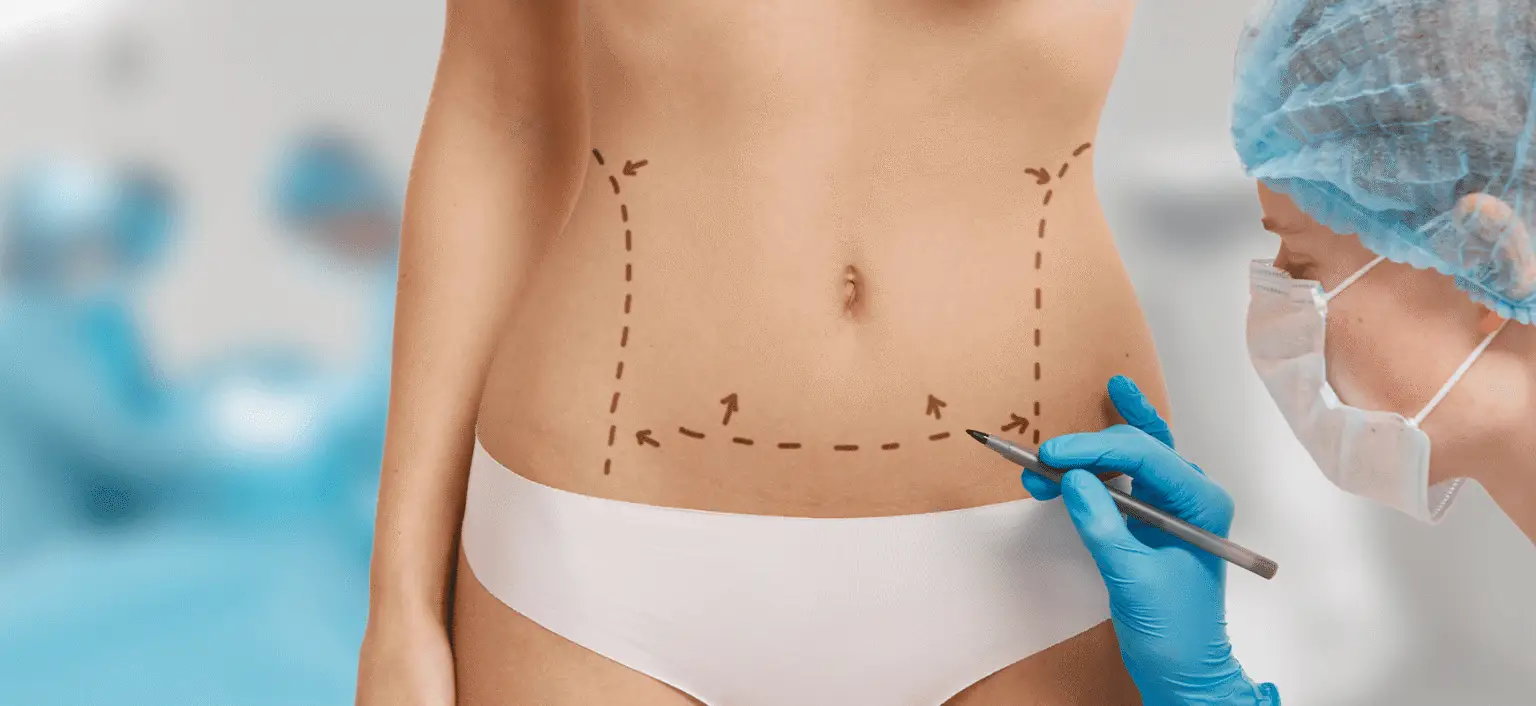
Before the procedure, the patient must be healthy and have a consultation with our experts. A tummy tuck can be the ideal solution for people with loose or weak abdominal muscles due to ageing or pregnancy, sagging or excess skin in the abdominal area, or for those for whom exercise and diet are not enough to improve the muscles. The surgeon first marks the areas to be operated on, after which the patient is put under anaesthesia.
The Operation
Abdominoplasty is performed under general endotracheal or regional anaesthesia, and the operation takes between two and four hours. The incision is made in the bikini area, above the pubic region, from one hip to the other, so the scar is hidden by a swimsuit or underwear. The incision covers a large area so that excess skin can be removed evenly, as shorter incisions can lead to aesthetic imperfections.
Tightening the Muscles and Removing Excess Skin
After the skin is lifted, the subcutaneous tissue is separated from the muscles along the entire front of the abdomen. The abdominal muscles are brought into the correct position, tightened and stitched with self-dissolving sutures. Muscle plication can be performed, resulting in a narrower waist. Part of the subcutaneous fat is then removed, the skin is tightened and the excess, known as the fat apron, is removed. A new navel often needs to be formed because the tissue is moved, giving the abdomen a completely new look. In most cases, drains are placed to remove excess fluid and blood; they are usually removed after two days.
Post-operative Recovery
After the operation, the patient receives a special compression garment, worn for one month. It helps the skin adhere to the abdominal muscles, reducing swelling and adapting to the changes. In the first few days after surgery, patients may feel discomfort because of the tightened muscles, which is relieved with muscle relaxants. Pain is present at first but is controlled with painkillers, and patients also receive antibiotics to prevent infection.
Recommendations After Surgery
Stitches are removed after 10–15 days, when the patient usually feels relief. For the first month and a half, the patient should avoid strain, as the muscles and other tissues are not yet strong enough.